West Hampstead Cleaners in West Hampstead

We provide West Hampstead cleaners for homes and local premises that need careful, practical cleaning with a clear scope. The service can cover regular domestic upkeep, deeper periodic cleaning and targeted room or item cleaning where a single area needs more attention. It is built around tidy preparation, methodical work and a finish that leaves surfaces easier to maintain, rather than rushed one-size-fits-all visits.
Our work is organised to suit the space in front of us. That may mean kitchen degreasing, bathroom sanitising, dust removal, floor care or detailed attention to touchpoints and high-use areas. Different properties ask for different priorities, so we shape the clean around access, layout, materials and the condition of the rooms. If you want a clearer idea of what is available, see our domestic cleaning service for the broader home-focused approach.
For a straightforward request, you can begin with the main areas that matter most and then build the rest around them. A good quote depends on size, surfaces, rooms used most often and any extra tasks such as ovens, carpets or upholstery. If you are comparing options, our pricing and quotes page explains how enquiries are handled, and you can also request a quotation when you are ready to move forward.
Regular cleaning for homes and busy routines
Many customers want a recurring clean that keeps everyday spaces in order without turning the visit into a full reset each time. Regular cleaning usually focuses on the visible jobs that prevent build-up: dusting reachable surfaces, wiping kitchen work areas, refreshing bathrooms, emptying bins and giving floors the attention they need. It is a practical way to keep a home presentable, and it works best when the instructions are specific rather than vague. Our house cleaning page suits people looking for a wider home care service, while home cleaners gives a simple route to the same household focus.
We also work with customers who want a lighter-touch schedule around work, family life or shared-use spaces. In those cases, it helps to separate what must always be done from what can wait until a deeper clean. That might mean prioritising bathrooms and kitchens each visit, then rotating skirting, internal glass or detailed dusting on a less frequent cycle. If you need a one-off visit rather than a routine arrangement, our one-off cleaning page is the most relevant place to start. The aim is a sensible service that matches the property, not an overcomplicated package.
What a regular clean usually covers
- Dusting and wiping surfaces that collect daily build-up
- Cleaning sinks, taps, worktops and splash-prone areas
- Refreshing toilets, baths and showers
- Vacuuming and mopping floors where suitable
- Targeting high-contact points such as switches and handles
Deep cleaning for a more detailed reset

Deep cleaning is useful when a property needs more than the standard weekly or fortnightly routine. It can involve longer attention on stubborn grime, hidden edges, built-up dust and neglected fixtures, together with the sort of detail work that improves the overall feel of a room. This is often the right choice for seasonal refreshes, pre-event preparation or properties that have fallen behind on routine upkeep. The work can be broad or focused, depending on the time available and the condition of the space.
In practical terms, a deeper clean may include kitchen appliance exteriors, bathroom limescale, accessible tiles, behind furniture that can be safely moved and the less obvious corners that are easy to miss in standard cleaning. We keep the approach structured so that time is used well and nothing important is repeated unnecessarily. For customers wanting a more intensive home clean with a clear scope, house cleaning and domestic cleaning both point to related services, while a deeper visit remains the better fit for more persistent build-up.
It is often helpful to think about deep cleaning as a reset rather than a substitute for ongoing maintenance. Once the main build-up is dealt with, ordinary cleaning becomes easier to manage, and surfaces tend to stay in better condition between visits. If you would like the detail to be concentrated on particular rooms, mention that clearly when you ask for a quotation. Specific priorities help us shape the work properly, especially where a property has mixed flooring, detailed fixtures or sensitive finishes.
Kitchen and oven care that supports the rest of the home
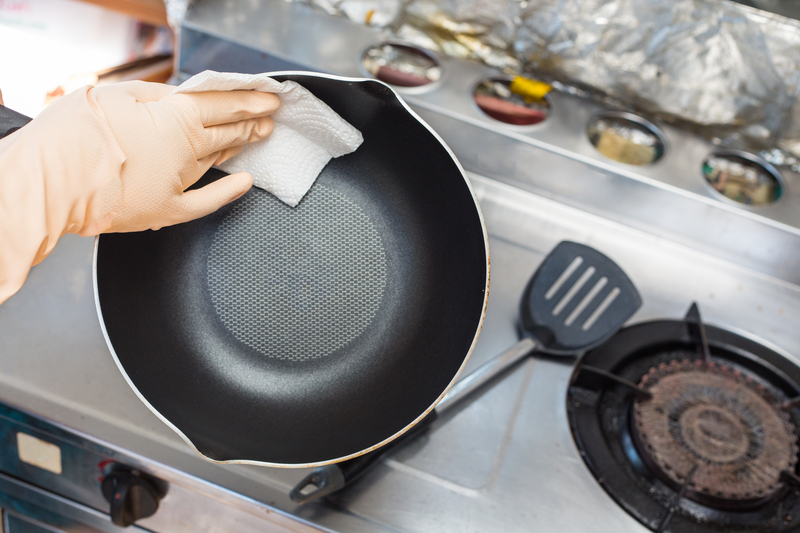
Kitchens usually need a different balance of cleaning products, tools and patience from the rest of the property. Grease, food residue and steam marks build up in a way that general dusting will not solve. That is why focused kitchen cleaning can be valuable on its own or as part of a wider service. When the oven, hob and surrounding surfaces are properly handled, the whole room feels more usable and less cluttered. Our oven cleaning page is suitable if the appliance is the main priority.
The broader kitchen clean can involve cupboard fronts, sinks, taps, worktops, splashbacks and the external surfaces of appliances, all approached with care for the material involved. Some finishes need a lighter touch, while others can tolerate more direct cleaning. We aim to work sensibly around those differences instead of using the same method everywhere. If a property also needs a broader top-to-bottom refresh, deep cleaning can combine neatly with kitchen work, especially when the room has accumulated more than everyday marks.
Customers often find that kitchen work is easiest to plan when they identify the hardest spots first. That might be oven glass, extractor areas, drawer fronts or the parts of the room that are touched most often. A clear brief makes the quotation more useful and avoids unnecessary extras. It also helps to note whether access is straightforward, because that can affect the order in which tasks are carried out. Once the main targets are set, the clean can be arranged in a tidy sequence rather than left to guesswork.
Good kitchen priorities before any visit
Think about which parts of the kitchen matter most to you, then group similar tasks together. If the oven needs work as well as the rest of the room, it is usually better to mention that at the outset rather than treating it as an afterthought. The same applies to splashbacks, refrigerator exteriors or awkward corners behind larger units. A well-structured request saves time and helps the cleaning plan stay realistic.
Carpet, rug and upholstery cleaning for softer surfaces

Soft furnishings need a different approach from hard floors and wipeable surfaces. Carpet fibres, rugs and upholstered furniture trap dust, everyday soil and spills in a way that calls for careful treatment rather than broad surface wiping. Our carpet cleaning service is suitable for rooms where floors have lost their fresh appearance, while rug cleaning helps with loose items that need more focused handling.
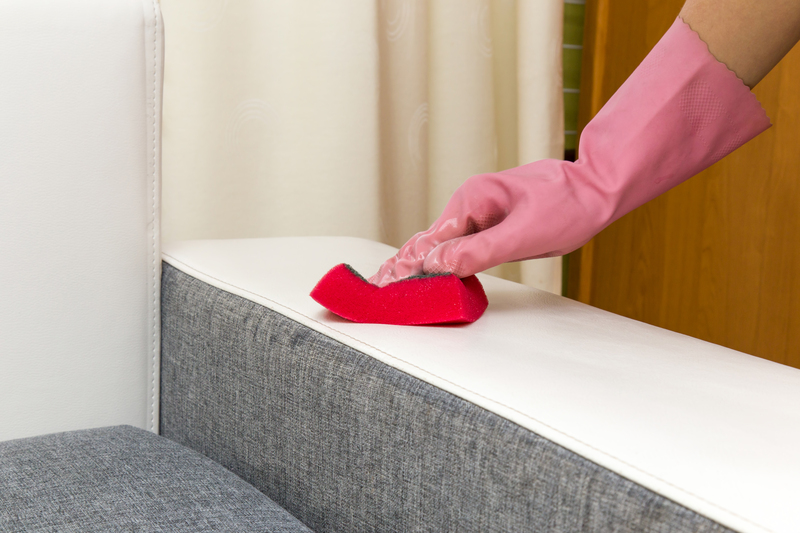
For furniture, upholstery cleaning and sofa cleaning are the main options. These services are about restoring appearance sensibly, reducing visible marks and treating the fabric with a method suited to its condition. Different textiles react differently to moisture and cleaning agents, so the approach has to be chosen carefully. We do not assume that every fabric can be cleaned in the same way, and that caution is part of delivering a sensible result.
When planning soft-surface work, it is worth considering whether a single room, several rooms or a specific item should be treated first. In many homes, the most useful plan is to tackle the areas that are most visibly affected and then move to the rest once the condition of the fabric is clearer. If you are also booking a general clean, that can be scheduled around the soft furnishings so the work complements rather than duplicates itself. Clear room-by-room priorities are especially helpful when carpets and upholstery are part of the same request.
After-builders cleaning and detailed finishing work
After-builders cleaning is designed for the dust and residue left once construction or refurbishment has finished. This is more exacting than an ordinary domestic clean because the surfaces may carry fine dust, paint spots, adhesive traces and debris from the work itself. The task needs patience, careful dust removal and attention to areas where particles settle out of sight before they spread into the finished room.
The most useful approach is usually a staged one. First comes the removal of loose dust and building residue, then a careful pass over fixtures, sills, ledges and accessible surfaces, followed by floor and touchpoint cleaning. If the property contains delicate finishes, newly fitted fittings or areas still awaiting final snagging, the work has to take those conditions into account. For projects that also need a broader reset once the builders have left, deep cleaning can provide a suitable wider framework.
After-builders work is typically best booked once the main heavy work is complete and access is reasonably clear. That gives the clean a better chance of being thorough and avoids wasting time on areas that will simply be covered in dust again. If windows, skirting or hard floors are part of the finish, these should be noted in advance so the scope is realistic. The result is not about decoration; it is about bringing the property back to a workable state after messy work has ended.
Hard floors, windows and other visible finishes
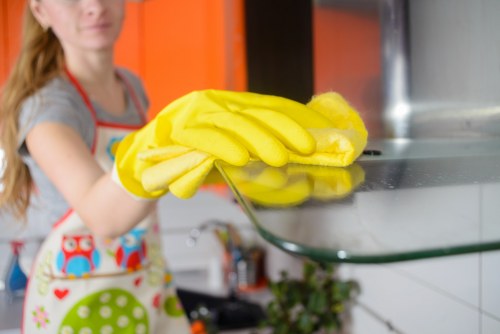
Some of the most noticeable results come from surfaces that people see and touch every day. Hard floor cleaning is useful for kitchens, hallways and open spaces where dust, footprints and marks are obvious. Different floor materials need different care, so the work must suit the surface rather than forcing one method across timber, tile or sealed flooring. The aim is to clean effectively while protecting the finish and avoiding unnecessary wear.
Windows are another visible element that can change the feel of a property quickly. Our window cleaning service is relevant for glass that has picked up smears, water marks or dust, especially where clear light makes a room feel fresher. Because internal and external access can differ, the scope should be set clearly before the clean begins. If the property needs a more general refresh as well, one-off cleaning can combine nicely with these finishing tasks.
People often choose surface-specific cleaning when a room is otherwise in reasonable order but looks tired because the main visible details have dulled. In that situation, floors, glass and other finishes can make a bigger difference than starting from scratch everywhere. A sensible quote should reflect the exact tasks rather than a generic package. If a surface requires special handling, it is better to mention that than to assume it will be treated the same as everything else. That keeps expectations clear and makes the outcome easier to manage.
Office and workplace cleaning with a practical routine
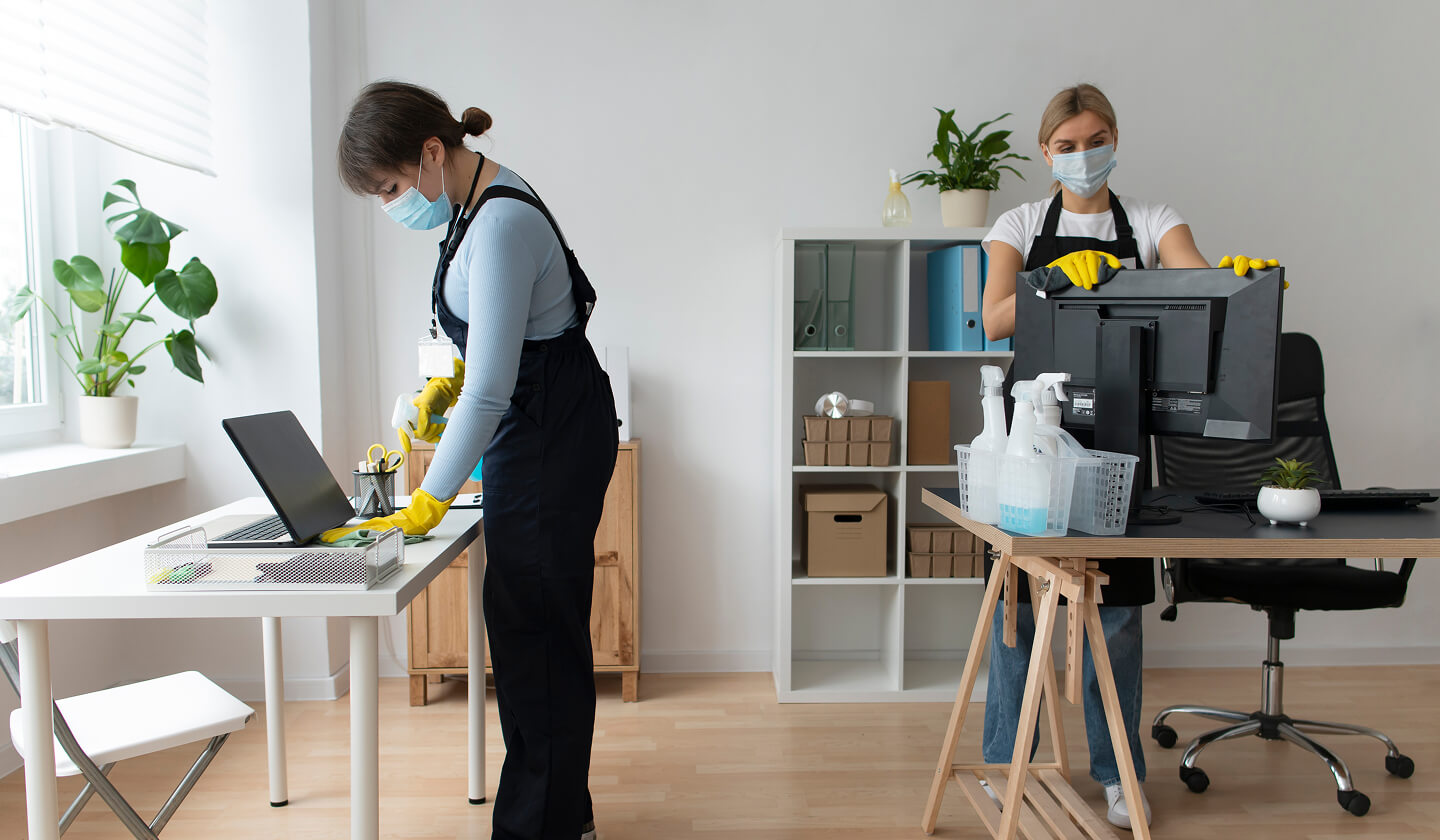
For workplaces, cleanliness has to balance presentation with day-to-day function. Office cleaning can involve desks, meeting rooms, reception areas, kitchenettes, washrooms and the regular touchpoints that gather marks throughout the week. A planned routine matters because offices use space differently from homes: there may be shared equipment, visiting clients and a greater need for consistency. The service should therefore be shaped around the actual layout, the number of rooms and the level of use.
If a business wants support at a simpler operational level, office cleaners is a useful route to the same workplace focus. Some premises need a light maintenance schedule, while others need a deeper reset before a busy period or after a short interruption to normal routines. The details matter more than the label: floors, bins, washroom hygiene and touchpoints may all need different treatment depending on how the office is used. We keep the work practical and measured so the space remains presentable without unnecessary disturbance.
As with domestic work, it helps to separate the regular tasks from the occasional extras. Shared kitchens, internal glass, reception counters and sanitary areas may all need different frequencies, and a sensible brief keeps those priorities in order. If you are arranging workplace cleaning, mention access times, the areas to be covered and any surfaces that need a more cautious touch. That makes the plan easier to quote and easier to carry out.
Useful workplace priorities
Set the cleaning around how the premises are used, not around a generic checklist. Entry points, desks, shared break areas and washrooms usually carry the most visible wear, while storage or low-traffic areas may need less frequent attention. When the scope is clear, the service can be more efficient and the result more consistent.
Choosing the right service level for your property
Different homes and workplaces call for different levels of attention. Some only need periodic maintenance, while others need a full reset or a focused clean on one or two key areas. The main decision is usually whether you are after routine upkeep, a deeper one-time service or a targeted task such as a carpet, oven or upholstery clean. Our cleaning company page gives a wider view of the business structure, while this page keeps the emphasis on service choice and practical scope.
The most helpful quotations are based on the real condition of the space rather than on assumptions. Size matters, but so do surfaces, access, the number of rooms, the type of dirt or build-up and whether the work needs to be split across multiple areas. If you are unsure which option fits best, the easiest route is to identify the main objective first: maintenance, detail work, recovery after dust or a particular fabric or floor treatment. That simple distinction often narrows the choice quickly.
There is no need to overcomplicate the brief. A clear list of priorities, a note of the rooms involved and any special surfaces is usually enough to shape a useful response. If the job involves more than one service type, it can be combined sensibly rather than treated as separate disconnected visits. The service pages linked on this site are there to help you match the work to the task, whether that task is broad or very specific.
About West Hampstead

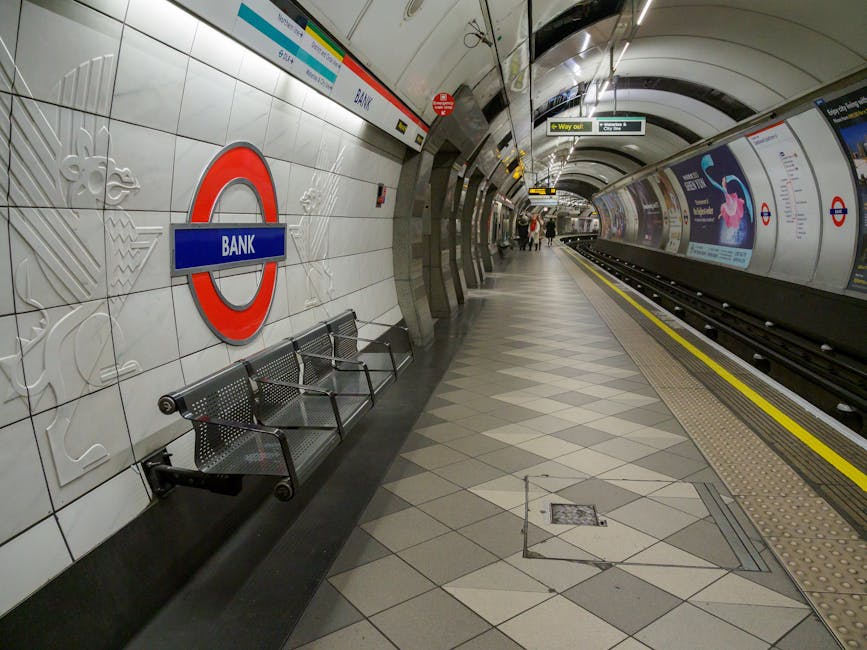
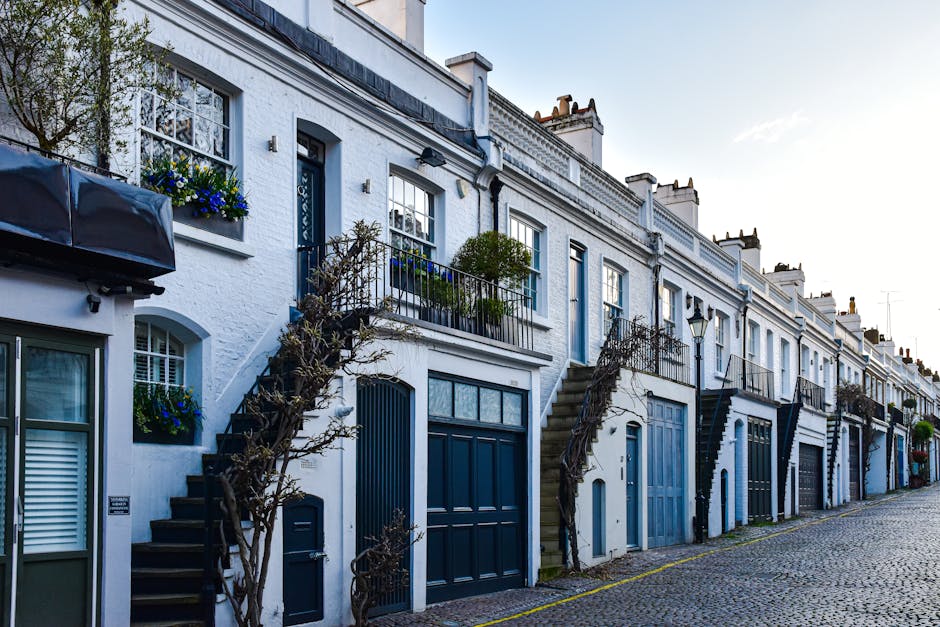
West Hampstead is a district in the London Borough of Camden, in north-west London, centred on the busy transport corridor formed by West End Lane and the surrounding residential streets. The area grew significantly during the nineteenth century, when the coming of the railway encouraged suburban development and brought a mixture of larger villas, mansion blocks and later terrace housing. Its built environment still reflects that layered history: some streets retain Victorian and Edwardian character, while later infill and redevelopment sit alongside older domestic architecture. The district is closely associated with three rail stations carrying the West Hampstead name, which together make the area unusually well connected for local and cross-London journeys. West End Lane remains the main spine of the neighbourhood, lined with shops, cafés and small services that support the daily life of residents and visitors. To the west, the West Hampstead Thameslink route adds another transport option, while nearby Finchley Road and Kilburn reinforce the wider network of north-west London movement. The area is also within reach of several well-known open spaces, including Hampstead Heath to the north-east and smaller local parks and squares that provide quieter relief from the built-up streets. West Hampstead has long been regarded as a practical residential district rather than a ceremonial centre, but it has a distinct local identity through its streets, transport links and everyday high street life. That identity is shaped less by a single landmark than by the combination of housing, movement and neighbourhood commerce, with ordinary streetscapes giving the place much of its character.
Getting your quotation started
When you are ready to enquire, the fastest way to get a useful quotation is to describe the property type, the rooms or items involved and the level of cleaning you want. If there are particular concerns such as grease, dust after building work, fabric marks or hard-floor dullness, mention those early so the scope can be matched properly. You do not need to write a long message; clarity is more valuable than length. For a broader view of how requests are assessed, revisit our pricing and quotes page.
It also helps to say whether you need a routine visit, a deeper reset or a targeted service such as carpets, sofas, ovens or windows. When the brief is specific, the quotation can reflect the actual work rather than a rough guess. If access is unusual, the property is partly furnished or the surfaces are delicate, those details should be included too. That lets the service be planned in a sensible order and reduces the chance of missed tasks.
For a straightforward next step, tell us what needs cleaning and how the space is used, then ask for a quotation. We will use the information to shape a practical service rather than a generic package. If you want to request a quotation, simply get in touch and outline the main priorities; the final details can be refined from there.