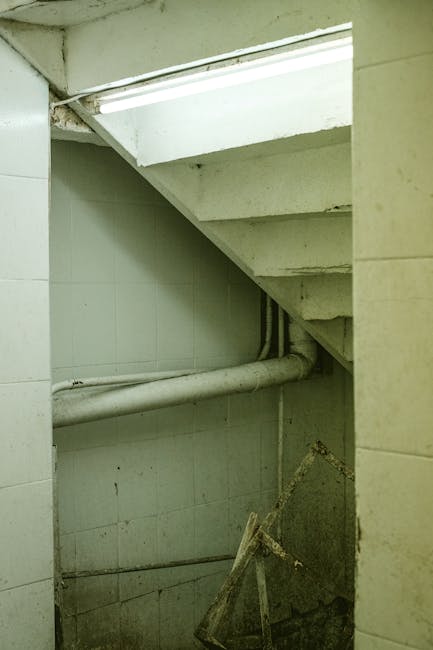
Access challenges for basement flats NW6 and cleaning liability

Basement flats in NW6 can be brilliantly cosy, but they come with awkward realities that people often only think about on the day a cleaner arrives. Narrow stairs, low headroom, shared entrances, damp-sensitive finishes, awkward parking, and unclear responsibility for damage or access all make the job more complicated than a standard flat clean. If you are trying to understand access challenges for basement flats NW6 and cleaning liability, you are in the right place.
This guide breaks down what tends to go wrong, who is usually responsible, and how to plan a clean without turning a simple visit into a stressful dispute. We will look at practical access issues, liability boundaries, insurance and safety considerations, and the small details that make a big difference in real life. Truth be told, a little preparation saves a lot of back-and-forth later.
Why access and liability matter
Basement flats are often beautiful, but they are rarely straightforward. In NW6, many are reached by steep exterior steps, narrow communal corridors, or basement-level side entrances that can be dim, damp, or simply difficult to carry equipment through. That matters because a cleaner is not just walking into a room with a cloth and a spray bottle. They may be bringing vacuums, mops, carpet machines, buckets, extension leads, and protective gear. That is a lot to manoeuvre in a tight space.
Access problems are not just an inconvenience. They affect timing, staff safety, cleaning quality, and who is liable if something gets scratched, chipped, soaked, or blocked in the process. If access is poor and the job is rushed, the risk of accidental damage rises. If liability is not discussed clearly, both sides can end up with the same unpleasant question: who is paying for what?
There is also the human side. A cleaner arriving to find no parking, a locked gate, or a basement hallway cluttered with bikes and storage boxes can end up wasting time before the clean has even begun. And if the property is part of a managed building, there may be rules about entry times, lift use, noise, waste disposal, or where equipment can be left. These things sound small until they become a problem at 8:30 on a wet Monday morning.
Key takeaway: in basement flats, access planning and liability clarity are part of the service, not an afterthought.
How access challenges for basement flats NW6 and cleaning liability works
The process usually starts before anyone steps through the door. A sensible cleaner or cleaning company will want to know how the property is accessed, whether parking is available, what floor the flat is on, and whether there are any building rules or security controls. This is especially relevant for domestic cleaning, deep cleaning, and end of tenancy cleaning, where the job may involve more equipment and more time than a quick tidy.
From a liability point of view, the broad idea is simple: each party should be responsible for the risks they control. The cleaner is responsible for working carefully, using suitable equipment, and following agreed safety procedures. The resident, landlord, managing agent, or keyholder is usually responsible for giving accurate access details, making the property safely reachable, and warning about hazards they already know about.
In practice, liability questions usually come up in a few common situations:
- Restricted entry: keys not available, keypad codes not shared, or a neighbour failing to open a communal door.
- Physical hazards: loose paving, poor lighting, wet steps, low ceilings, or awkward stair turns.
- Property vulnerability: damp walls, old skirting boards, delicate flooring, or recently painted surfaces.
- Operational damage: moving furniture, trailing hoses, placing equipment, or carrying waste out through a narrow route.
If there is a service agreement in place, the terms should ideally explain what happens when access is delayed, when the flat cannot be reached, or when extra labour is needed. For a clear overview of company expectations, it is worth reading the site's terms and conditions alongside its insurance and safety information. Those pages help set a proper baseline. No drama, just clarity.
Sometimes liability is not about blame at all; it is about documenting the facts. A photo of a narrow entry path, a note about a broken latch, or a message confirming that a basement corridor must be used can save everyone from avoidable confusion later. Small thing, but it matters.
Key benefits and practical advantages
When access and liability are handled properly, the entire clean tends to run more smoothly. That might sound obvious, but you would be surprised how often it is ignored until something goes wrong.
- Less disruption: the cleaner can work without repeated delays, calls, or waiting around in the street.
- Better results: more time goes into actual cleaning rather than problem-solving at the door.
- Lower dispute risk: clear expectations reduce arguments about damage, access failure, or unfinished work.
- Improved safety: step routes, lighting, and hazard warnings help reduce slips, trips, and bumps.
- More accurate quoting: a basement flat with difficult access may need different time planning than a standard ground-floor home.
There is also a quality benefit that people often miss. In basement flats, moisture-sensitive surfaces and reduced ventilation can make some cleaning tasks trickier. For example, carpet cleaning may take longer to dry, and heavy upholstery can be harder to move through a tight entry. A good plan makes the work better, not just faster.
If your property includes carpets, rugs, or sofas that need specialist care, linking access planning with the right service matters. You may want to explore carpet cleaning, rug cleaning, or sofa cleaning depending on the surfaces involved. And if the flat has hard flooring that needs attention, hard floor cleaning can be a more suitable route than guessing with the wrong method.
Who this is for and when it makes sense
This topic is relevant for more people than you might expect. It is not just for landlords or professional cleaners.
- Tenants preparing for a routine clean, deep clean, or move-out clean.
- Landlords who need cleaning arranged between tenancies or after repairs.
- Managing agents coordinating access in shared buildings with rules and timing restrictions.
- Homeowners in basement or lower-ground flats with limited entry space and sensitive finishes.
- Cleaning companies wanting to avoid missed appointments, safety issues, and liability disputes.
It makes the most sense to raise access and liability early if any of these apply: the flat is down a steep external staircase, parking is limited, the property has a shared entrance, there is a keyholding arrangement, or the clean involves bigger jobs such as oven work, upholstery, or end-of-tenancy preparation. If you need a more general service setup first, the pages for home cleaners and house cleaning are useful places to understand the broader service approach.
Some readers are simply trying to avoid awkward surprises. Fair enough. Basement flats can be a bit of a puzzle, and nobody wants to discover the puzzle half-way through the appointment.
Step-by-step guidance
Here is a practical way to plan around access challenges and cleaning liability without making the whole thing complicated.
- Map the access route. Note whether entry is via front steps, side passage, shared hallway, or rear lane. Mention any narrow turns, low ceilings, or locked gates.
- Check arrival logistics. Confirm parking, loading space, permit needs, and the best time window for access. Even ten minutes of clarity helps.
- List hazards honestly. Wet steps, damaged handrails, poor lighting, loose mats, pets, fragile decor, or recently decorated walls should all be shared in advance.
- Clarify responsibility before the visit. Decide who provides keys, who meets the cleaner, and what happens if no one is present. A missed handover is not a mystery; it is usually a planning issue.
- Identify surfaces and valuables. Point out delicate items, vulnerable flooring, and anything that should not be moved without permission.
- Confirm the service scope. Make sure the agreed clean matches the property condition. A one-off clean is different from a deep clean, and an end-of-tenancy clean has its own expectations.
- Document unusual conditions. A quick message or checklist can settle later questions about what was known beforehand.
- Review insurance and terms. If the job involves tight access or higher risk, check that the provider's safety and insurance position is clear.
There is a quiet benefit to doing this properly: everyone arrives calmer. The cleaner knows where they are going. The resident knows what to expect. The building is less likely to suffer accidental scuffs or complaints from neighbours. Simple, really.
If the property has recently had renovation work or dust has drifted into communal areas, it may be more sensible to arrange after builders cleaning rather than a standard visit. Basement flats can trap fine dust in corners, around pipework, and along skirting boards. That stuff tends to hide in the oddest places.
Expert tips for better results
Below are the kinds of details that make a real difference when cleaning a basement flat in NW6.
- Send access notes in writing. A text or email beats a quick verbal explanation that gets forgotten later.
- Take one or two photos of the route. Nothing dramatic. Just enough to show the steps, gate, or basement entrance.
- Use protective measures where needed. Door guards, furniture sliders, and floor protection can reduce avoidable wear and tear.
- Allow a little extra time. Basement access nearly always takes longer than a straightforward flat on an upper floor with a lift.
- Be specific about fragile areas. Tell the cleaner if there is peeling paint, soft wood, damp marks, or old silicone that should not be scrubbed aggressively.
- Think about airflow and drying. Lower-ground rooms often need more ventilation after wet cleaning. Open windows if possible, or plan around drying time.
One small but very practical point: if access involves a shared corridor, make sure bags, hoses, and equipment do not block the route. People in London buildings notice these things quickly, especially during busy mornings. And rightly so.
For more general service planning and staffing expectations, the pages on cleaners and cleaning company can help you understand how a provider frames its work and responsibilities. If you are comparing deeper domestic support, the deep cleaning page is especially relevant for homes that need a more intensive approach.
Common mistakes to avoid
Most access disputes and liability headaches start with a few predictable mistakes. The good news? They are easy to avoid once you know them.
- Assuming the cleaner will "figure it out". That is rarely a good plan in a basement flat.
- Not mentioning stair restrictions. If there is no lift, say so. If the stairs are steep or uneven, say that too.
- Leaving access to chance. Locked gates, missing keyholders, and delayed entry can wreck the schedule.
- Hiding known defects. If a step is loose or a handrail wobbles, disclose it. Otherwise a preventable incident becomes a pointless argument.
- Booking the wrong service level. A light clean will not solve heavy grime, and an end-of-tenancy clean may be expected to cover more than a quick tidy.
- Ignoring communal building rules. Some blocks have quiet hours, waste rules, or entry procedures that must be respected.
The biggest mistake, though, is vague communication. "It should be fine" is not a plan. Not in a basement. Not when somebody is carrying equipment down three steps in the rain.
Tools, resources and recommendations
You do not need specialist equipment to handle most access challenges, but a few basics help keep things under control.
- Access checklist: a simple note covering keys, codes, gates, parking, and arrival contact details.
- Risk notes: short written warnings about stairs, low headroom, wet surfaces, or damaged fixtures.
- Floor protection: coverings or mats for sensitive thresholds and entry points.
- Microfibre cloths and compact equipment: useful where larger items would be awkward or unsafe.
- Drying and ventilation plan: especially helpful after carpet or upholstery work.
If the clean includes fabric or carpeted areas, it may help to think about the material before the visit rather than after it. The relevant service pages - carpets cleaner, upholstery cleaning, and oven cleaning - are all useful if you are dealing with specific problem areas rather than a general surface clean. That way the job is matched to the actual mess, which is usually the real issue.
For pricing and practical booking decisions, the pricing and quotes page is a sensible next stop. And if you want to understand how a provider handles safeguards around keys, property, and visit management, insurance and safety should be read alongside it.
Law, compliance, standards and best practice
This is the part where people sometimes expect a dramatic legal answer. Often, the reality is more practical than dramatic. In the UK, liability usually depends on the contract, the facts of the visit, and whether each party acted reasonably. If a cleaner is injured because a route was unsafe and nobody warned them, that is different from a customer claiming damage that happened during normal, careful work. Context matters.
For basement flats, best practice usually means the following:
- Clear instructions: access arrangements should be confirmed before attendance.
- Reasonable safety measures: cleaners should be able to work without avoidable hazards.
- Relevant insurance cover: the provider should explain what is and is not covered.
- Accurate service descriptions: the agreed service should reflect the true condition and access limitations of the property.
- Fair complaints handling: if something goes wrong, there should be a proper route to raise it. The site's complaints procedure is the kind of page that helps set this out clearly.
It is also sensible to respect accessibility needs. Basement entrances are not always easy for everyone to use, and a company should be open about what it can reasonably accommodate. The accessibility statement is relevant here because it signals how the business thinks about usable access and service fairness. That kind of openness matters more than polished marketing, if we are being honest.
Finally, privacy and keys matter too. If access details, entry codes, or contact numbers are stored or shared, they should be handled carefully. The relevant policy pages on the site, including privacy policy and payment and security, support that trust picture.
Options, methods, or comparison table
Different access arrangements suit different basement flat situations. Here is a simple comparison to help you choose what tends to work best.
| Access method | Best for | Pros | Watch-outs |
|---|---|---|---|
| Meet-and-greet on arrival | One-off cleans, first visits, higher-value homes | Immediate clarification, fewer mistakes | Requires someone to be present on time |
| Key holding or coded entry | Repeat domestic cleaning, regular schedules | Efficient, less waiting around | Needs secure handling and good recordkeeping |
| Building manager access | Managed blocks and shared entrances | Can simplify communal entry | May depend on office hours or staff availability |
| Resident-provided escort | Complex basements, fragile interiors, unusual layouts | Useful for spotting hazards early | Can slow the visit if the escort is delayed |
For many NW6 basement flats, the best answer is a mix: clear written instructions, a reliable key handover, and a brief walk-through at the start. That combination keeps things efficient and reduces liability friction. Simple, but effective.
Case study or real-world example
Picture a lower-ground flat near West Hampstead with a narrow side entrance, a small set of external steps, and a communal hallway with a shared bin area. The resident has booked a one-off clean after a busy month, plus carpet work in the lounge and hallway. Nothing extreme, just a normal life situation that has got a bit on top of them.
On arrival, the cleaner notices two things straight away: the entrance path is wet from overnight rain, and the hallway has boxes stacked near the turn. Nobody is trying to be difficult. It is just one of those homes where space has slowly shrunk around the everyday stuff. The cleaner pauses, asks for the boxes to be moved, and confirms a safer route before bringing in equipment.
Because the access details were shared in advance, there is no confusion about where to enter, where to leave items, or who has the keys. The work takes a little longer than a standard upper-floor flat, but it runs smoothly. The carpet dries well enough because ventilation was planned. Most importantly, nobody ends the day arguing over a scuffed wall or a delayed arrival.
That is really the point. Good planning does not just reduce risk; it preserves goodwill. And in a city flat, goodwill is worth a lot.
Practical checklist
Use this checklist before booking or attending a clean in a basement flat:
- Confirm exact access route, including steps, gates, or rear entrances.
- Share arrival instructions and key handover details in writing.
- State whether parking or loading space is available.
- Flag any hazards such as wet surfaces, poor lighting, low ceilings, or loose fixtures.
- Identify fragile flooring, walls, or furniture before the visit.
- Check whether the job is a standard clean, deep clean, or end-of-tenancy clean.
- Make sure the chosen service matches the property condition.
- Review the provider's terms, insurance, and complaints process.
- Plan ventilation and drying time if wet cleaning is involved.
- Keep a short written record of anything unusual.
If you tick off most of those items, you are already ahead of the game. Honestly, a lot ahead.
Get a free quote today and see how much you can save.
Conclusion
Access challenges for basement flats in NW6 are not unusual, but they do need thoughtful handling. Narrow entrances, stairs, shared spaces, damp-prone areas, and unclear handovers can all create issues if nobody plans ahead. The same is true for cleaning liability: if responsibilities are vague, even a small incident can become a long, frustrating conversation.
The practical answer is straightforward. Share access details early, match the service to the property, check terms and insurance, and keep a record of anything unusual. Do that, and most basement flat cleans become routine rather than risky. Not perfect, perhaps, but workable. And that is often enough.
If you are dealing with a tricky basement flat right now, don't overthink it. Just get the access details straight, keep communication clear, and take one calm step at a time.
Frequently Asked Questions
Who is usually responsible for access problems in a basement flat clean?
It depends on what caused the problem. If the cleaner was not given correct instructions, missing keys, or warning about a hazard, that usually sits with the party arranging access. If the cleaner caused damage by working carelessly, that is a different issue. Clear written instructions are the best way to avoid arguments.
Do basement flats cost more to clean in NW6?
They sometimes can, but not always. Extra cost may apply if access is difficult, parking is limited, the property is heavily cluttered, or the clean needs more time because of stairs and tight entry routes. The fairest approach is to request a proper quote after explaining the access conditions.
Should I tell the cleaner about steep steps or low ceilings?
Yes, absolutely. Anything that could affect safety, equipment handling, or timing should be disclosed before the visit. It is far better to over-communicate than to leave people guessing at the door.
What happens if the cleaner cannot get into the basement flat?
That depends on the booking terms and the situation. Often the appointment may be delayed, rescheduled, or charged if access failure was avoidable. This is why key handover, contact numbers, and arrival instructions need to be sorted in advance.
Is cleaning liability different for tenants and landlords?
The principles are similar, but the practical responsibilities can differ. Tenants often control day-to-day access and condition of the flat, while landlords or agents may control keys, tenancy turnover timing, or building-level arrangements. The exact answer depends on the agreement and the facts.
Does insurance matter for basement flat cleaning?
Yes. Insurance is especially useful where access is tight, there are stairs, or the property has delicate fixtures and fittings. You want to know what is covered, what exclusions exist, and how claims would be handled if something unexpected happened.
What should I do about communal areas and shared entrances?
Tell the cleaner in advance, keep them clear where possible, and make sure the route is safe and allowed under building rules. Shared spaces are where small misunderstandings often happen, so a little planning goes a long way.
Is a deep clean better than a standard clean for a basement flat?
Not always, but often it is more appropriate if the flat has built-up dust, damp-related grime, or hard-to-reach corners. A standard clean is fine for regular maintenance, but a deep clean gives more room for detailed work in awkward spaces.
Can carpets and upholstery in basement flats take longer to dry?
Yes, they often can. Lower-ground rooms may have less airflow and more humidity, which slows drying. That is why ventilation and timing matter so much after wet cleaning.
What is the best way to protect walls and flooring during access?
Keep the route clear, use sensible protective measures where needed, and tell the cleaner about fragile areas in advance. If furniture has to be moved through a narrow corridor, it helps to agree the route before the job starts.
How can I reduce the risk of disputes after the clean?
Use written instructions, confirm the service scope, note existing damage or hazards, and keep communication polite and precise. A few messages before the appointment can prevent a lot of noise afterwards.
Where can I read more about how the company handles safety and complaints?
The most relevant pages are the health and safety policy, insurance and safety information, and complaints procedure. Those pages help explain expectations in a clear, practical way.